★ 2026 First Driver Index • Euro NCAP & IIHS Tested

Safe, Sensible & Thrilling: First Cars You Can Trust

Cutting through automotive jargon to help new drivers and parents choose vehicles with proven crash-protection, low insurance groupings, low maintenance costs, and forgiving handling.

Beginner Buyer Checklist Verified Data

Every vehicle in our evaluation passes mandatory criteria: Standard Autonomous Emergency Braking (AEB), 5-Star safety rating, and affordable replacement parts.

5 ★★★★★
Minimum Safety Rating
≤ Group 14
Insurance Band Target
50+ MPG
Eco-Efficient Standard
100%
Independent Analysis

Top-Ranked Cars for New Drivers

Hand-picked for predictable throttle response, superior outward visibility, and active driver-assist safety bundles.

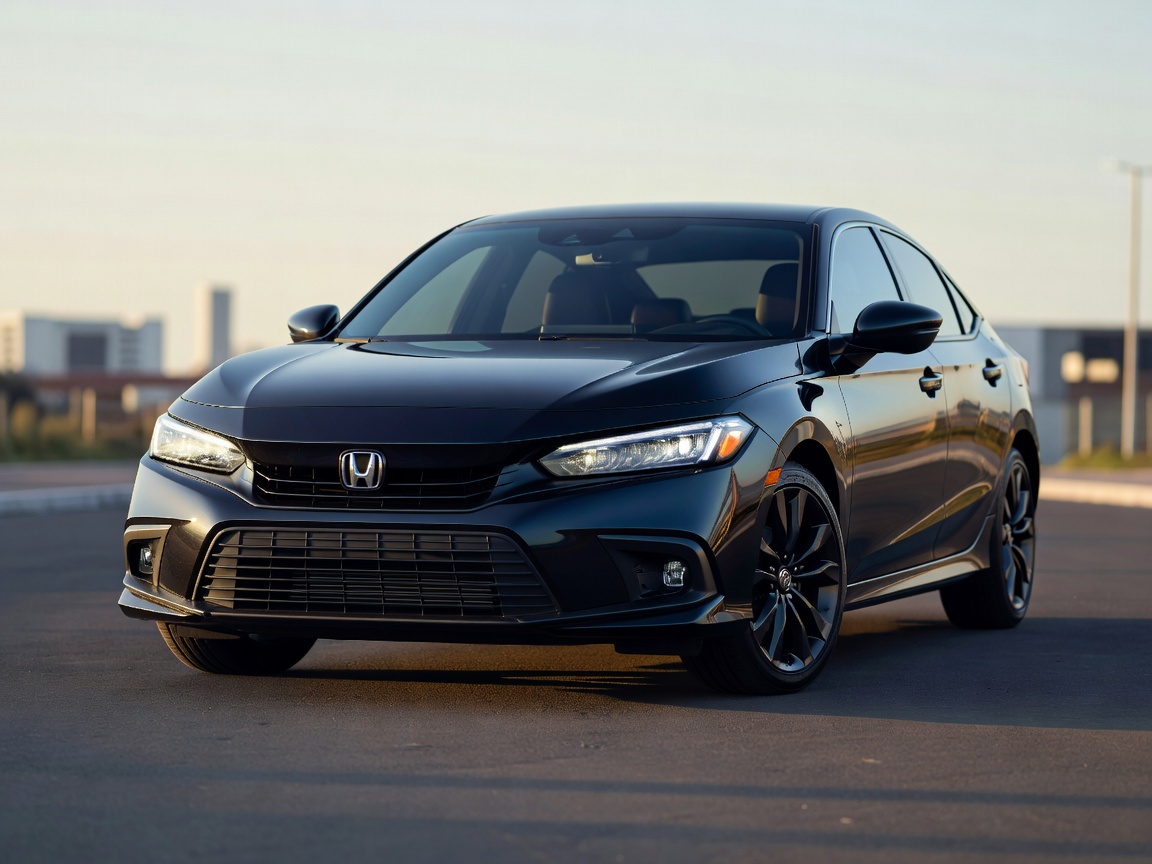
Modern Honda Civic sedan driving on open suburban road IIHS Top Safety Pick+ ★ 9.4 / 10
Compact Hatch / Sedan Ins. Group 12-14

Honda Civic

Renowned for supreme reliability and standard Honda Sensing suite. Low center of gravity delivers balanced handling that makes learning stress-free.

Standard AEB 36+ MPG Comb High Resale Value
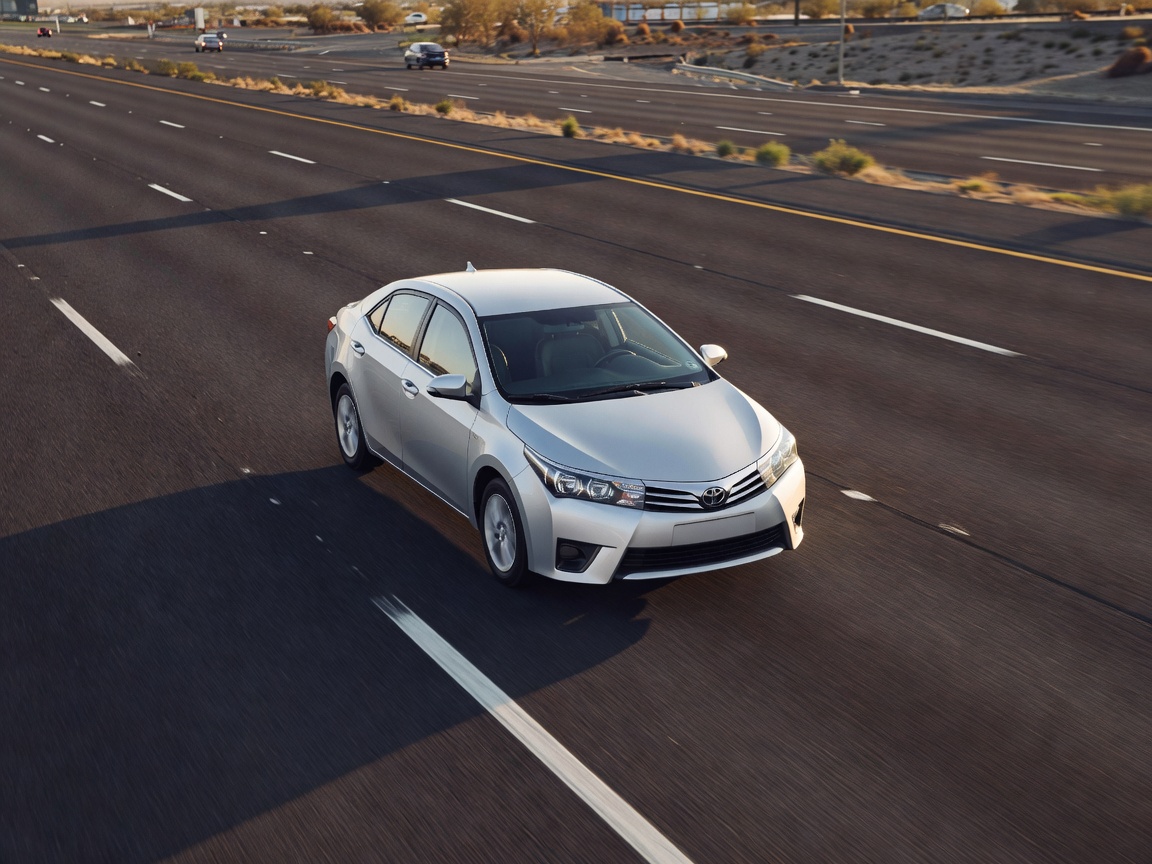
White Toyota Corolla parked in urban daylight setting Toyota Safety Sense 3.0 ★ 9.6 / 10
Compact Sedan Ins. Group 10-12

Toyota Corolla

The undisputed world benchmark for first-time dependability. Near bulletproof engine mechanics, low maintenance costs, and exceptional fuel economy.

Lane Departure Alert 53 MPG Hybrid Avail Lowest Depreciation
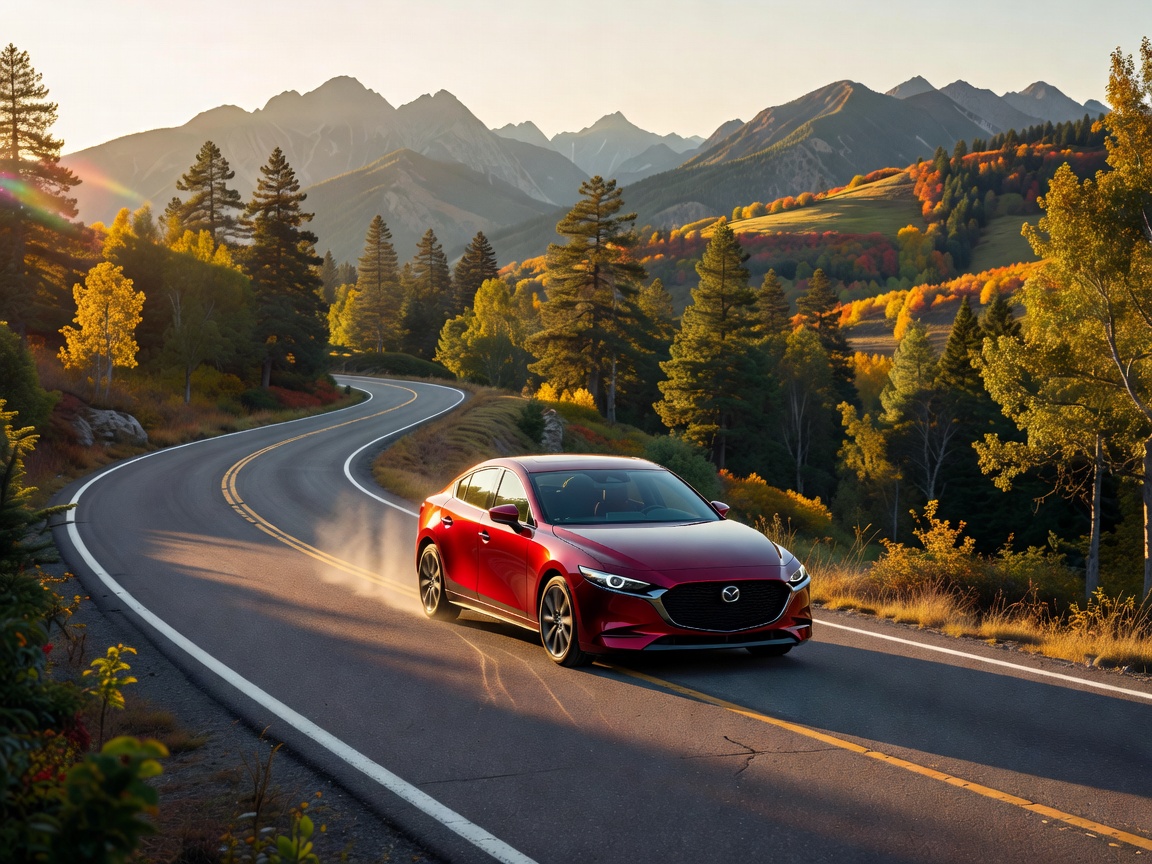
Sleek Mazda 3 parked on city street Euro NCAP 98% Adult ★ 9.1 / 10
Premium Compact Ins. Group 13-15

Mazda 3

Features intuitive dial controls that prevent touch-screen distraction while driving. Unrivaled interior noise suppression and upscale crash cell engineering.

Blind Spot Monitor G-Vectoring Control Luxury Cabin
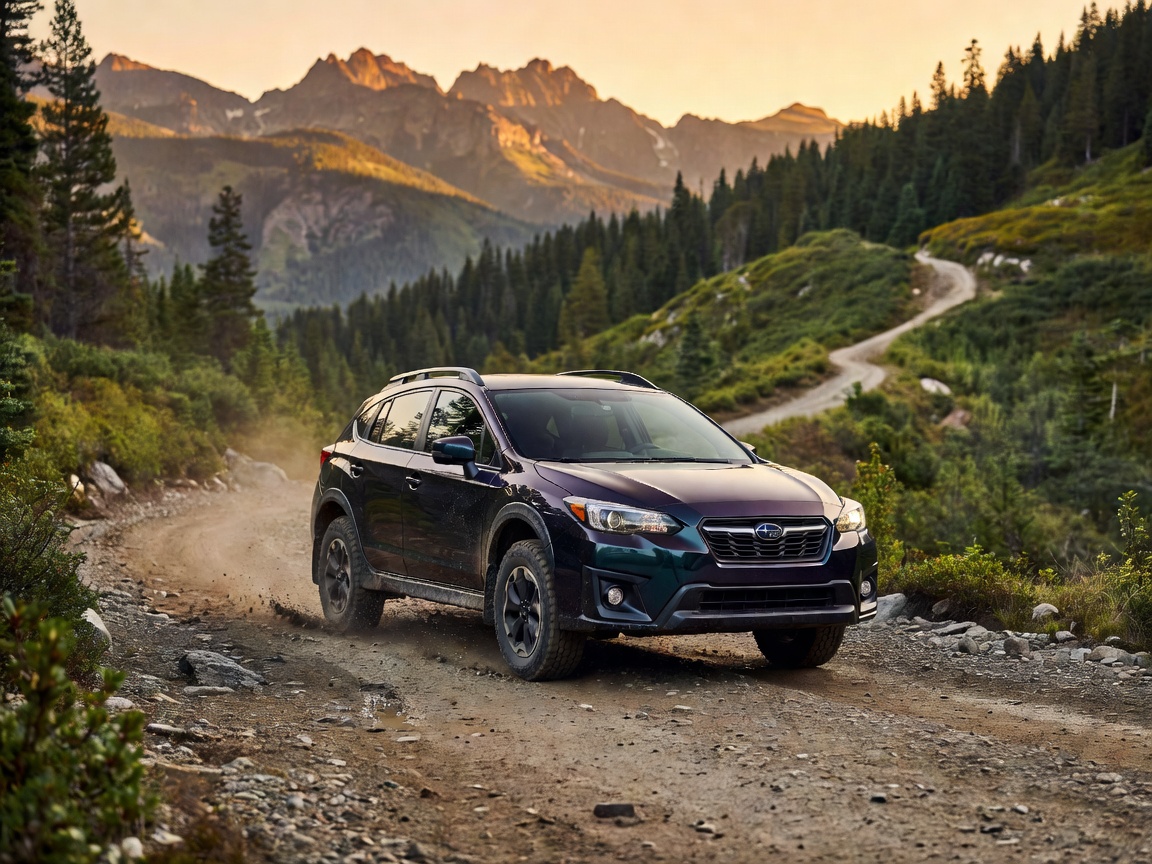
Subaru all-wheel drive compact crossover on rural road Standard Symmetrical AWD ★ 9.3 / 10
Subcompact SUV Ins. Group 14-16

Subaru Crosstrek

The top choice for beginners in colder, rainy, or mountainous areas. EyeSight stereo cameras and permanent all-wheel-drive keep traction steady on slick asphalt.

8.7" Ground Clearance EyeSight Driver Assist Winter Confident

Why Beginner Safety Tech Saves Thousands

Data from highway traffic institutes indicates that beginner drivers with Forward Collision Warning (FCW) and Automatic Emergency Braking (AEB) experience 49% fewer front-to-rear accidents.

  • Standard AEB reduces insurance premiums by up to 15% across major carriers
  • Blind Spot Detection eliminates shoulder-check disorientation for new learners
  • Moderate horsepower engines (120-160 HP) reduce oversteer panic maneuvers
Read Full Safety Tech Breakdown →

Essential New Driver Guides

Practical, no-nonsense articles on insurance discounts, pre-purchase checks, and accident-avoidance basics.

Financial Strategy

How to Slash First-Year Car Insurance Premiums

Beginners are frequently charged exorbitant premiums. Discover how black-box telematics, named experienced drivers, and vehicle security classifications bring costs down.

Read Complete Insurance Guide →
Vehicle Mechanics

Active vs. Passive Safety Tech: What Actually Protects You?

Learn the distinction between crumple zones, side curtain airbags, and modern radar sensors like Lane Keep Assist and Rear Cross-Traffic Alert before you visit a showroom.

Read Technology Guide →
Buyer Advisory

New vs. Certified Pre-Owned (CPO) for Novice Drivers

Weighing the financial hit of first-year depreciation against the reassurance of full factory warranties. What makes practical sense for drivers aged 17 to 25?

Explore Comparison Analysis →

Frequently Asked Beginner Questions

Clear, direct answers for new drivers and concerned parents.

What is the safest engine size or power output for a first car?

For novice drivers, engines producing between 100 HP and 160 HP (typically 1.5L to 2.0L naturally aspirated or mild-turbo engines) provide sufficient passing power on highway on-ramps without tempting reckless acceleration or sudden wheel slippage.

Does buying a cheap 15-year-old car save money?

Often no. While older cars have lower purchase prices, they lack vital active safety systems (Autonomous Emergency Braking, modern ESC), frequently trigger higher insurance category ratings due to theft vulnerabilities, and incur costly unexpected repairs.

What is an Insurance Group Rating?

In most automotive markets, vehicles are grouped from 1 (cheapest to insure) to 50 (most expensive). Factors include vehicle repair costs, parts pricing, acceleration performance, and safety equipment. Beginner drivers should aim for vehicles in Groups 1 to 14.